IIPC
20 French Pastries Every Pastry Chef Should Know
From Croissants to Canelés: Shaping the Art of Pâtisserie in 2026
French
pastry is more than a collection of elegant desserts. It is a discipline built
on precision, technique, patience and an understanding of how ingredients
behave. From the flaky layers of a croissant to the delicate structure of a
macaron, French pâtisserie has influenced pastry kitchens around the
world.
For
an aspiring French pastry chef, learning the classics is an
important foundation. These pastries introduce essential techniques such as
laminating dough, working with choux pastry, preparing crème pâtissière,
handling puff pastry and creating balanced textures and flavours.
Here
are 20 classic French pastries and desserts that every aspiring pastry
professional should know.
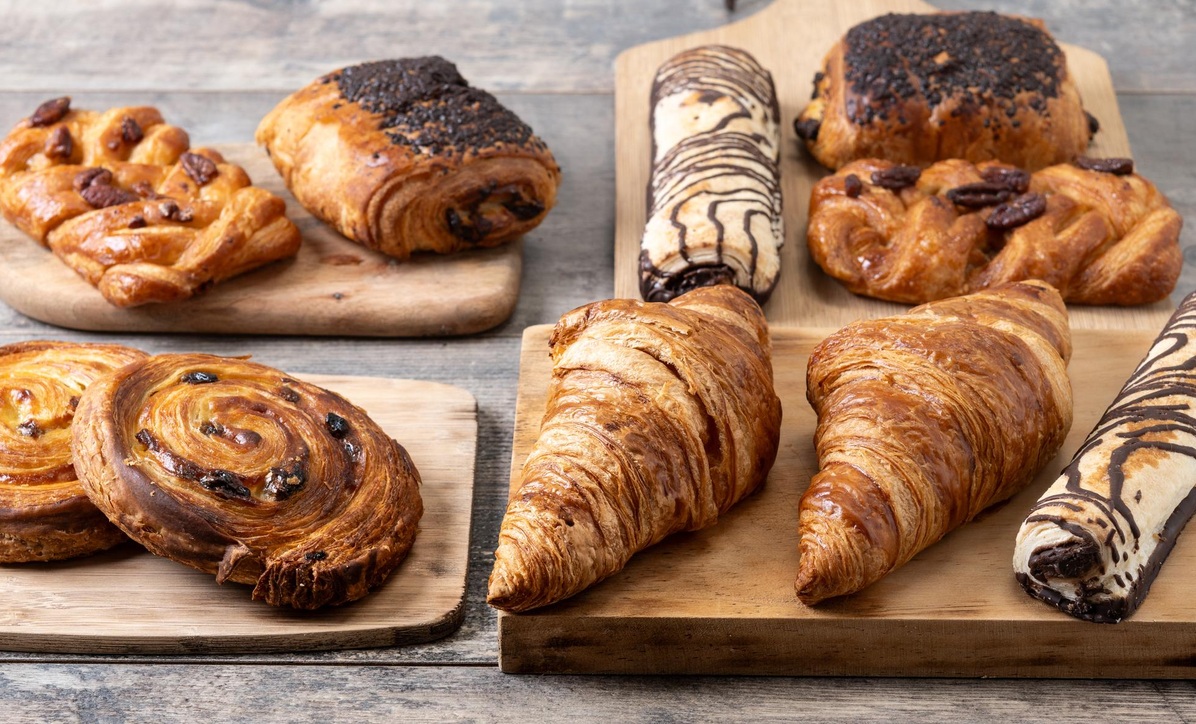
1. Croissant
Few
pastries represent French pâtisserie as strongly as the croissant. Made from a
yeast-leavened, laminated pastry dough, it is created by repeatedly folding
butter into the dough to produce thin layers.
The
key to a successful croissant is temperature control. The butter and dough must
remain workable without becoming too soft. Proper fermentation, lamination and
baking create the characteristic crisp exterior and light, honeycomb-like
interior.
Technique to master: Laminated pastry dough and fermentation.
2. Pain au Chocolat
Also
known as chocolatine in parts of France, pain au chocolat uses the same basic
laminated dough as a croissant but is shaped around bars of chocolate.
Its
simplicity makes technique especially important. The pastry needs even layers,
controlled proofing and sufficient baking to develop a crisp, golden exterior
without compromising the buttery interior.
Technique to master: Lamination, shaping and proofing.
3. Éclair
The
éclair is a classic application of choux pastry. The dough is piped into
an elongated shape, baked until hollow and then filled, traditionally with
crème pâtissière or another pastry cream.
It
is often finished with chocolate or another glaze. An éclair teaches a pastry
chef how moisture, steam and heat work together to create structure.
Technique to master: Choux pastry, piping, filling and glazing.
4. Mille-Feuille
Meaning
“a thousand leaves,” mille-feuille consists of layers of crisp puff pastry
alternating with pastry cream. The contrast between delicate pastry and smooth
cream is central to the dessert.
Uniform
rolling, careful baking and precise assembly are essential. The pastry should
remain crisp rather than becoming soggy from the filling.
Technique to master: Puff pastry, pastry cream and precision assembly.
5. Paris-Brest
Created
to commemorate the Paris-Brest-Paris bicycle race, this pastry is made using a
ring of choux pastry traditionally filled with praline-flavoured cream.
It
combines several important pastry elements: choux, nuts, cream and caramelised
flavours. Its distinctive circular shape also makes piping and presentation
important.
Technique to master: Choux pastry, praline cream and piping.
6. Saint-Honoré
Saint-Honoré
is one of the more elaborate classic French pastries. It traditionally
combines a pastry base with choux pastry, cream and caramel.
The
dessert requires multiple techniques to come together successfully. It is
therefore an excellent exercise in planning, timing and professional pastry
production.
Technique to master: Choux pastry, caramel, pastry cream and assembly.
7. Kouign-Amann
Originally
associated with Brittany, kouign-amann is a rich, laminated pastry made with
butter and sugar. During baking, the sugar caramelises while the layers become
crisp and deeply golden.
It
demonstrates how laminated pastry dough can be used beyond the croissant
family.
Technique to master: Lamination, sugar caramelisation and temperature control.
8. Canelé
The
canelé is a small pastry associated with Bordeaux. It has a dark, caramelised
exterior and a soft, custard-like centre.
Its
preparation highlights the importance of mould preparation, batter resting and
careful baking. The contrast between its textures is one of its defining
characteristics.
Technique to master: Batter preparation, moulding and controlled baking.
9. Macaron
The
French macaron is made from almond flour, sugar and egg whites and is usually
assembled as two delicate shells with a filling such as ganache, buttercream or
fruit-based preparation.
Macarons
are deceptively technical. Mixing the batter to the correct consistency, known
as macaronage, is critical to achieving smooth shells and the characteristic
feet.
Technique to master: Meringue, macaronage, piping and temperature control.
10. Financier
The
financier is a small almond-based cake traditionally made with browned butter,
egg whites, sugar and flour. Its compact size and rich flavour make it a
popular component of French pastry collections.
Brown
butter, or beurre noisette, provides much of its characteristic nutty flavour.
Technique to master: Brown butter and small-format cake production.
11. Madeleines
Madeleines
are small shell-shaped sponge cakes traditionally baked in a distinctive mould.
Their characteristic shape and soft crumb make them instantly recognisable.
A
good madeleine demonstrates the importance of batter preparation, resting and
oven temperature.
Technique to master: Sponge batter, mould preparation and controlled baking.
12. Tarte Tatin
Tarte
Tatin is a famous upside-down apple tart in which apples are caramelised before
being covered with pastry and baked. The tart is then inverted before serving.
The
dessert teaches an important lesson in pastry: a small number of ingredients
can create complex flavour when technique is carefully controlled.
Technique to master: Caramelisation, fruit preparation and pastry baking.
13. Opera Cake
Opera
cake is a layered French dessert traditionally combining almond sponge, coffee
buttercream, chocolate and ganache, finished with a smooth chocolate glaze.
Its
success depends on creating thin, even layers and maintaining a balance between
coffee, chocolate and sweetness.
Technique to master: Layering, buttercream, ganache and glazing.
14. Religieuse
The
religieuse is made from choux pastry and traditionally consists of two filled
choux buns, one smaller than the other, decorated and assembled vertically.
Like
the éclair, it requires strong choux-pastry skills, but its distinctive
structure also makes proportion and presentation important.
Technique to master: Choux pastry, filling, piping and decoration.
15. Chausson aux Pommes
Often
compared with an apple turnover, chausson aux pommes is made with puff pastry
filled with cooked apples.
The
pastry demonstrates how fruit fillings interact with laminated dough and why
moisture control is essential when working with puff pastry.
Technique to master: Puff pastry, fruit preparation and sealing.
16. Tarte aux Fruits
A
classic French fruit tart typically combines a crisp pastry shell, pastry cream
and fresh fruit. Depending on the recipe, the shell may be prepared using pâte
sucrée, a sweet pastry dough valued for its delicate, crisp texture.
The
dessert highlights the importance of colour, composition and balance.
Technique to master: Pâte sucrée, pastry cream and fruit presentation.
17. Tarte au Citron
French
lemon tart combines a crisp pastry shell with a smooth, intensely flavoured
lemon filling. The appeal comes from the contrast between buttery pastry and
bright citrus acidity.
It
teaches pastry chefs that sweetness must be balanced rather than simply
increased.
Technique to master: Pâte sucrée, citrus curd and temperature control.
18. Parisian Flan
Flan
pâtissier, often simply called flan in France, is a baked custard dessert
traditionally prepared with a pastry base and a thick vanilla custard filling.
Achieving
the right texture requires careful control of the custard and baking process.
Technique to master: Custard preparation, pastry lining and baking.
19. Puits d’Amour
Puits
d’Amour, meaning “well of love,” is a traditional French pastry made from
layers of puff pastry with a sweet filling, often featuring caramelised or
fruit-based elements depending on the version.
Its
structure makes it another useful example of how puff pastry can be shaped and
combined with rich fillings.
Technique to master: Puff pastry shaping, filling and caramelisation.
20. Baba au Rhum
Baba
au rhum is a yeast-based pastry soaked in a rum-flavoured syrup and commonly
served with whipped cream or pastry cream.
Unlike
many dry cakes, the finished dessert depends on the pastry absorbing syrup
while retaining enough structure. It is a lesson in fermentation, soaking and
moisture management.
Technique to master: Yeast fermentation, syrup preparation and soaking.
The French Pastry Techniques Behind the
Classics
Learning
these pastries is ultimately about learning the techniques behind them.
Lamination
Croissants,
pain au chocolat and kouign-amann introduce laminated pastry dough,
where butter and dough are repeatedly folded to create layers. Precision and
temperature control are essential.
Choux Pastry
Éclairs,
Paris-Brest, Saint-Honoré and religieuse demonstrate how choux pastry uses
steam to create a hollow structure suitable for filling.
Puff Pastry
Mille-feuille
and chausson aux pommes teach the fundamentals of puff pastry, where repeated
folding creates multiple layers that expand during baking.
Pâte Sucrée
Sweet
pastry dough provides the crisp foundation for many French tarts. The technique
requires careful mixing and handling to avoid developing excessive gluten.
Crème Pâtissière
Pastry
cream is one of the essential building blocks of French pâtisserie. It is used
as a filling for éclairs, tarts and numerous other desserts.
Caramel and Meringue
Caramelisation
contributes colour, bitterness and depth, while meringue techniques are
fundamental to preparations such as macarons and many French desserts.
Why These Pastries Matter for Aspiring Pastry Chefs
Mastering
classic French pastries is not about memorising 20 recipes. It is about
developing transferable professional pastry skills.
A
pastry chef must understand how flour develops structure, how butter behaves at
different temperatures, how eggs contribute to emulsification and structure,
and how sugar affects texture and caramelisation. Precision is equally
important. Small differences in temperature, mixing, fermentation or baking
time can significantly change the final product.
French
pastry also teaches balance. A successful dessert may combine crisp pastry with
smooth cream, acidity with sweetness, or caramelised flavours with fresh fruit.
Texture is as important as flavour.
For
culinary students, these preparations provide a practical introduction to the
foundations of pastry arts and pâtisserie. For professionals, they
remain important benchmarks of technical skill.
French Pâtisserie Meets Modern Pastry
From
the humble croissant to the intricate Saint-Honoré, French pastry represents a
tradition where technique and creativity work together. These 20 preparations
introduce some of the most important foundations of
professional pastry-making—from lamination and choux pastry to custards,
caramel, meringue and precision decoration.
French
pastry continues to evolve. Contemporary pastry chefs reinterpret traditional
preparations using new flavour combinations, modern presentation techniques,
seasonal ingredients and technology while retaining the principles behind the
classics.
This
is why learning traditional recipes remains relevant. A pastry chef who
understands the fundamentals can experiment confidently without losing control
of texture, structure or flavour.
Learn French Pâtisserie at IIPC
Knowing
the names of classic French pastries is only the beginning. To become a
professional pastry chef, you need to understand the techniques behind them
and, most importantly, practise them repeatedly in a professional kitchen.
At
IIPC – IIHM Institute of Pastry and Culinary, learnes can turn this
knowledge into hands-on skills through structured pastry and baking programmes. The curriculum covers
classic French pastries alongside laminated and enriched doughs, breads,
chocolates, plated desserts, cakes, tarts, sugar art and contemporary pastry
techniques.
So,
if the croissant, éclair, Paris-Brest or mille-feuille has inspired you to
explore the world of French pâtisserie, the next step is to move from reading
about these classics to making them. With structured training, practical
learning and exposure to both traditional and contemporary pastry arts, IIPC
provides an opportunity to build the technical foundation, creativity and
professional skills needed to pursue a career in pastry and baking.
French pâtisserie is ultimately about learning the rules well enough to create something new.