IIPC
Bakery vs Pastry: What's the Difference? A Complete Guide for Future Bakers and Pâtisserie Chefs
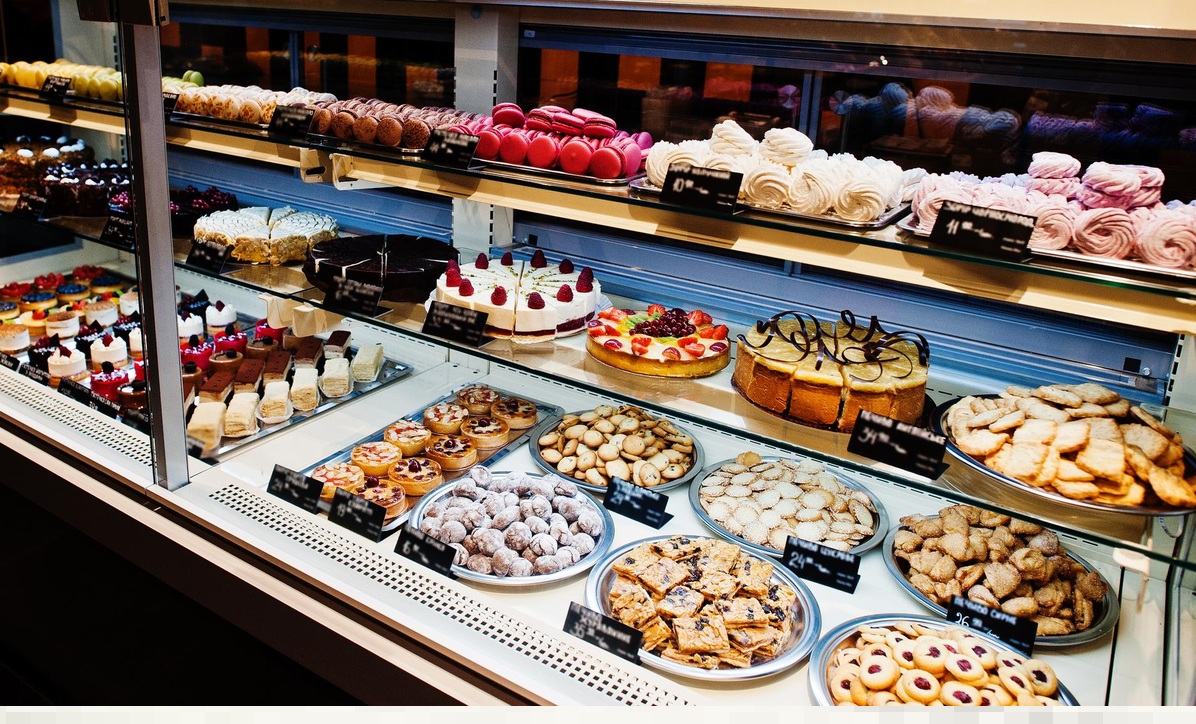
Have you ever walked into a bakery,
admired the fresh bread, delicate croissants, colourful tarts, and beautifully
decorated cakes, and wondered—what exactly is the difference between bakery
and pastry?
While the terms are often used
interchangeably, they represent two distinct disciplines within the world of bakery
and confectionery. Understanding these differences is essential for anyone
considering a bakery and pastry course in India or dreaming of building
a successful career in the culinary industry.
Whether you aspire to become a professional
baker or an accomplished pastry chef, knowing the fundamentals will
help you choose the right learning path and career direction.
What Is the Difference Between Bakery and Pastry?
The primary difference lies in the
products, techniques, and scientific principles involved.
Bakery
focuses on products such as bread, buns, rolls, cookies, biscuits, and certain
cakes. It relies heavily on baking science, including gluten
development, fermentation, and the action of yeast to create
structure, flavour, and texture.
Pastry arts,
on the other hand, concentrate on delicate desserts and refined creations such
as croissants, puff pastry, Danish pastry, choux pastry,
tarts, pies, pastries, chocolates, plated desserts, and artistic cake
decoration. Precision, creativity, and advanced techniques like butter
lamination are at the heart of pastry making.
Simply put:
|
Bakery |
Pastry |
|
Bread, buns, artisan bread, cookies |
Croissants, puff pastry, tarts,
éclairs, desserts |
|
Focuses on fermentation and structure |
Focuses on precision, texture, flavour,
and presentation |
|
Uses yeast extensively |
Uses laminated dough, creams, fillings,
chocolate, sugar work |
|
Science-driven |
Science combined with artistry |
Is Pastry Considered Baking?
Yes.
Pastry is a specialised branch of baking.
Every pastry chef understands baking fundamentals, but pastry demands
additional expertise in delicate techniques, intricate decoration, temperature
control, chocolate work, sugar artistry, and dessert presentation.
This is why many leading pastry and
culinary institutes teach bakery and pastry together before allowing
students to specialise.
What Does a Pastry Chef Do?
A pastry chef is responsible for
creating desserts and baked delicacies that require exceptional precision and
creativity.
Their responsibilities include:
?
Preparing laminated dough for
croissants and viennoiserie
?
Making sponge cakes and
celebration cakes
?
Designing artistic cake decoration
?
Creating tarts, pies, pastries,
mousses and plated desserts
?
Producing chocolates and
confectionery
?
Developing innovative dessert
menus
?
Managing production in pastry
kitchens and luxury hotels
Today's pastry chefs work in luxury
hotels, boutique bakeries, cruise lines, airlines, resorts, restaurants, and
even operate successful home businesses.
What Does a Professional Baker Do?
A professional baker specialises
in producing fresh bakery products efficiently while maintaining
consistent quality.
Typical responsibilities include:
?
Bread making
?
Artisan bread production
?
Sourdough preparation
?
Dough mixing and fermentation
?
Commercial bakery operations
?
Large-scale production
?
Quality control
?
Ingredient measurement and baking
consistency
Professional bakers are employed by
commercial bakeries, hotel kitchens, supermarkets, cafés, food production
companies, and artisan bakeries.
Which Is Difficult: Baking or Pastry making?
Both are quite easy to prepare, they
simply need a different approach.
Bakery demands:
?
Strong understanding of baking
science
?
Dough handling
?
Fermentation management
?
Precision with baking ingredients
?
Consistency in large-scale
production
Pastry demands:
?
Artistic creativity
?
Fine motor skills
?
Advanced decorating techniques
?
Patience
?
High precision in measurements
?
Temperature control
Many successful culinary professionals
master both disciplines to expand their career opportunities.
Essential Skills Required for Bakery and Pastry
A successful career in baking requires
more than following recipes.
Students learn:
?
Baking techniques
?
Pastry making
?
Bread making
?
Cake decoration
?
Chocolate work
?
Sugar craft
?
Laminated dough preparation
?
Food hygiene and safety
?
Time management
?
Kitchen organisation
?
Creativity
?
Presentation skills
?
Menu planning
?
Commercial production methods
These skills form the foundation of every
successful bakery career.
What Is Taught in a Professional Bakery and Pastry Course?
A comprehensive professional baking
and pastry course combines theory with extensive practical training.
Students typically learn:
Bakery Fundamentals
?
Bread making
?
Artisan bread
?
Sourdough
?
Dough mixing
?
Fermentation science
?
Yeast-based products
Pastry Arts
?
Puff pastry
?
Croissants
?
Danish pastry
?
Choux pastry
?
Tarts and pies
?
Sponge cakes
?
Cookies and biscuits
Advanced Skills
?
Cake decoration
?
Chocolate artistry
?
Sugar decoration
?
Dessert plating
?
Bakery management
?
Food costing
?
Commercial production
?
Entrepreneurship
Hands-on learning is particularly
important because baking is a skill developed through consistent practice
rather than theory alone.
Can You Become a Pastry Chef After a Bakery Course?
Absolutely.
Many students begin with a Diploma
in Bakery & Pastry, which provides a strong foundation in
both baking and pastry arts. They can then specialise in advanced pastry
techniques through a Professional Pastry Arts Course, gaining expertise
in desserts, chocolate work, viennoiserie, and cake artistry.
This progression opens doors to careers
in luxury hospitality, premium bakeries, boutique pâtisseries, cruise ships,
and international culinary establishments.
Bakery Career Opportunities After Class 12
The growing demand for skilled baking
professionals has created exciting career options for students interested in
the culinary world.
Popular roles include:
?
Professional Baker
?
Pastry Chef
?
Bakery Production Executive
?
Cake Artist
?
Chocolatier
?
Bakery Entrepreneur
?
Dessert Specialist
?
Bakery Instructor
?
Product Development Chef
?
Food Stylist
With specialised training and industry
exposure, graduates can explore opportunities in hotels, cafés, restaurants,
airlines, cruise lines, commercial bakeries, and their own businesses.
Why Practical Training Matters
Success in bakery and pastry depends on
experience.
Working with real ingredients,
understanding oven behaviour, mastering fermentation, practising butter
lamination, and perfecting cake decoration cannot be learned from videos alone.
That's why aspiring professionals should
choose a bakery certification course or pastry arts diploma that
offers extensive hands-on learning, industry-standard kitchens, and guidance
from experienced chef instructors.
At IIHM
Institute of Pastry and Culinary (IIPC), students gain practical exposure
through professionally equipped training kitchens where they master both the
science and artistry of baking. Diploma Programmes like Diploma in Bakery
and Pastry Arts, Professional Pastry Arts Course, Cake Design and
Sugar Art Course and other culinary courses are designed to prepare
students for real-world careers. Along with practical training, students
benefit from modern campus facilities, industry mentorship, and opportunities
to build successful careers in India's rapidly growing bakery and hospitality
sectors.
Your First Step Towards a Successful Baking Career
Choosing between bakery and pastry
doesn't mean limiting your future. In today's culinary industry, employers
value professionals who understand both disciplines—from artisan bread and
fermentation to elegant desserts and creative pastry making.
If you're passionate about creating
delicious food, expressing your creativity, and building a rewarding
profession, enrolling in a structured bakery and pastry course in India
can be the ideal starting point.
With expert guidance, practical learning,
and industry-focused education, you can develop the skills to become a
confident baker, an innovative pastry chef, or even launch your own successful
bakery business.
The world of baking is constantly evolving—and there has never been a better time to turn your passion into a profession.